Connecting Children with Nature: The Ultimate Guide to Nature-Based Childcare
Step into a world where children's imaginations run wild amidst towering trees, buzzing insects, and playful streams. Welcome to the realm of nature-based childcare, where the great outdoors becomes the ultimate playground for young minds to flourish. In this comprehensive guide, we will explore the myriad benefits of nature-based childcare on children's development, offering valuable insights into how incorporating nature into childcare settings can spark creativity, curiosity, and a deep connection with the environment. Get ready to dive into a treasure trove of tips for crafting engaging nature-based activities, understanding the significance of outdoor play, and discovering how nature-based childcare nurtures a love for the natural world in our little ones. Let's embark on a journey where every rustle of leaves and chirp of a bird becomes a stepping stone towards holistic growth and discovery for our children
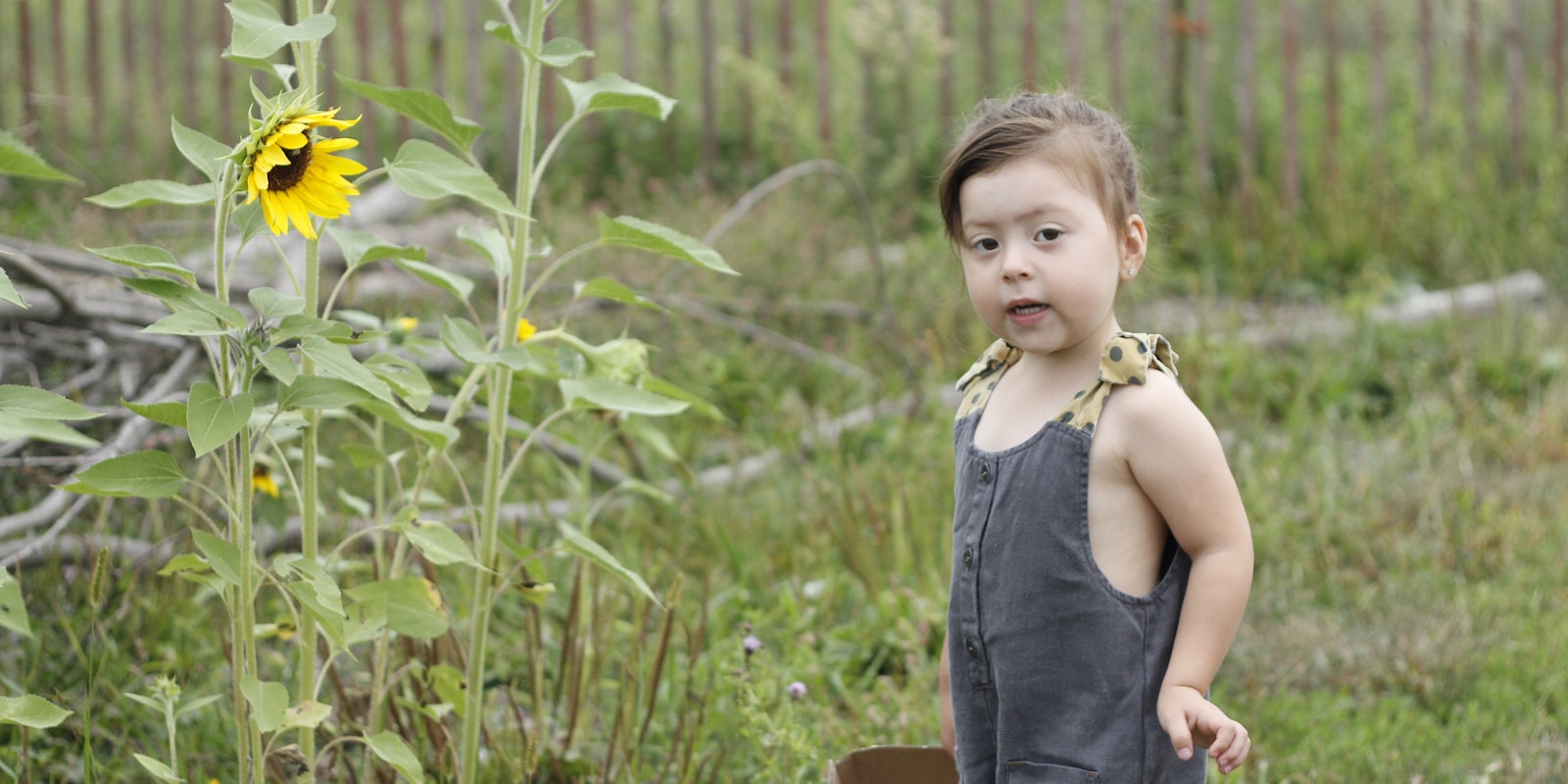
Benefits of Nature-Based Childcare for Children's Development
Nature-based childcare provides a myriad of benefits for children's development that extend far beyond just being outdoors. When children are immersed in natural environments, they are given the opportunity to engage in unstructured play, exploration, and discovery. This type of setting stimulates creativity, enhances problem-solving skills, and fosters a sense of wonder and curiosity in children. One key benefit of nature-based childcare is the positive impact it has on children's physical health. Outdoor play allows children to get fresh air and exercise, which are essential for their overall well-being. Additionally, being in nature has been shown to reduce stress and anxiety levels in children, leading to improved mental health and emotional regulation. Another significant advantage of nature-based childcare is the opportunity for children to develop a deeper connection with the natural world. Through hands-on experiences like planting seeds, observing wildlife, and exploring different ecosystems, children can gain a greater appreciation for the environment and learn important lessons about sustainability and conservation. Furthermore, nature-based childcare offers unique sensory experiences that can enhance children's cognitive development. From feeling the texture of tree bark to listening to the sounds of birds chirping, children are constantly engaging their senses and making connections between the natural world and their own experiences. In conclusion, nature-based childcare provides a holistic approach to children's development by addressing their physical, emotional, cognitive, and social needs. By incorporating more time outdoors and in natural settings, childcare providers can create enriching environments that support children in becoming well-rounded individuals with a deep respect for the world around them
Tips for Incorporating Nature into Childcare Settings
Incorporating nature into childcare settings is not only beneficial for the environment but also plays a crucial role in the wellbeing and development of children. Nature-based childcare focuses on immersing children in natural environments, allowing them to explore, play, and learn in settings that promote connection with the outdoors. 1. **Outdoor Play Spaces**: Design outdoor play areas that encourage exploration and interaction with nature. Incorporate elements like sandboxes, mud kitchens, sensory gardens, and climbing structures made from natural materials to provide hands-on experiences for children. 2. **Nature Walks and Scavenger Hunts**: Take children on nature walks to nearby parks, forests, or gardens. Organize scavenger hunts to help them discover different plants, animals, and natural materials, promoting curiosity and learning about the environment. 3. **Gardening and Planting**: Teach children about the life cycle of plants by involving them in gardening activities. Allow them to plant seeds, water plants, and observe growth firsthand, fostering a sense of responsibility and connection to the natural world. 4. **Outdoor Art and Sensory Activities**: Encourage creativity by providing opportunities for outdoor art projects using natural materials like leaves, sticks, and rocks. Engage children in sensory experiences such as exploring different textures, sounds, and smells in nature. 5. **Animal Interactions**: Introduce children to wildlife through animal interactions such as bird watching, insect observation, or visits from local wildlife experts. Teach them about the importance of respecting and caring for animals in their natural habitat. 6. **Seasonal Celebrations**: Celebrate the changing seasons by engaging children in seasonal activities like leaf rubbing in the fall, snowflake observations in the winter, wildflower picking in the spring, and outdoor picnics in the summer. This helps children understand and appreciate the natural rhythms of the environment. In conclusion, nature-based childcare offers a holistic approach to early childhood education by fostering a deep connection with the natural world. By incorporating these tips into childcare settings, caregivers can create enriching experiences that promote outdoor play, environmental awareness, and a love for nature in children from a young age
Creating Engaging Nature-Based Activities for Kids
Nature-based childcare offers a unique opportunity to connect children with the natural world while promoting their development and well-being. By incorporating engaging nature-based activities into a childcare setting, caregivers can create enriching experiences that foster a deep appreciation for the environment and encourage a sense of wonder and exploration in children. One of the key aspects of nature-based childcare is designing activities that spark curiosity and invite children to interact with their surroundings. Activities such as nature scavenger hunts, outdoor art projects using natural materials like leaves and stones, or sensory experiences like exploring different textures and smells in a garden help children engage their senses and develop a strong connection to the natural world. Nature-based childcare also provides ample opportunities for physical activity and gross motor skill development. Outdoor spaces offer endless possibilities for running, jumping, climbing, and balancing, helping children build strength, coordination, and spatial awareness in a fun and stimulating environment. Activities like nature obstacle courses or nature yoga sessions can combine physical movement with experiences in nature, promoting both healthy development and a sense of calm and mindfulness. Furthermore, nature-based activities can support children's cognitive and emotional development by fostering creativity, problem-solving skills, and emotional regulation. Nature offers a wealth of open-ended materials and scenarios that encourage imaginative play and creative thinking. By exploring the natural world, children can learn to observe, question, and experiment, developing critical thinking skills and a deeper understanding of the world around them. Additionally, spending time in nature has been shown to reduce stress and anxiety in children, promoting emotional well-being and resilience. In conclusion, creating engaging nature-based activities for children in a childcare setting not only provides enriching experiences that foster a deep connection to the natural world but also supports children's overall development and well-being. By incorporating nature into daily activities, caregivers can help children develop a love for the outdoors, cultivate important skills, and nurture a sense of wonder and curiosity that will benefit them for years to come
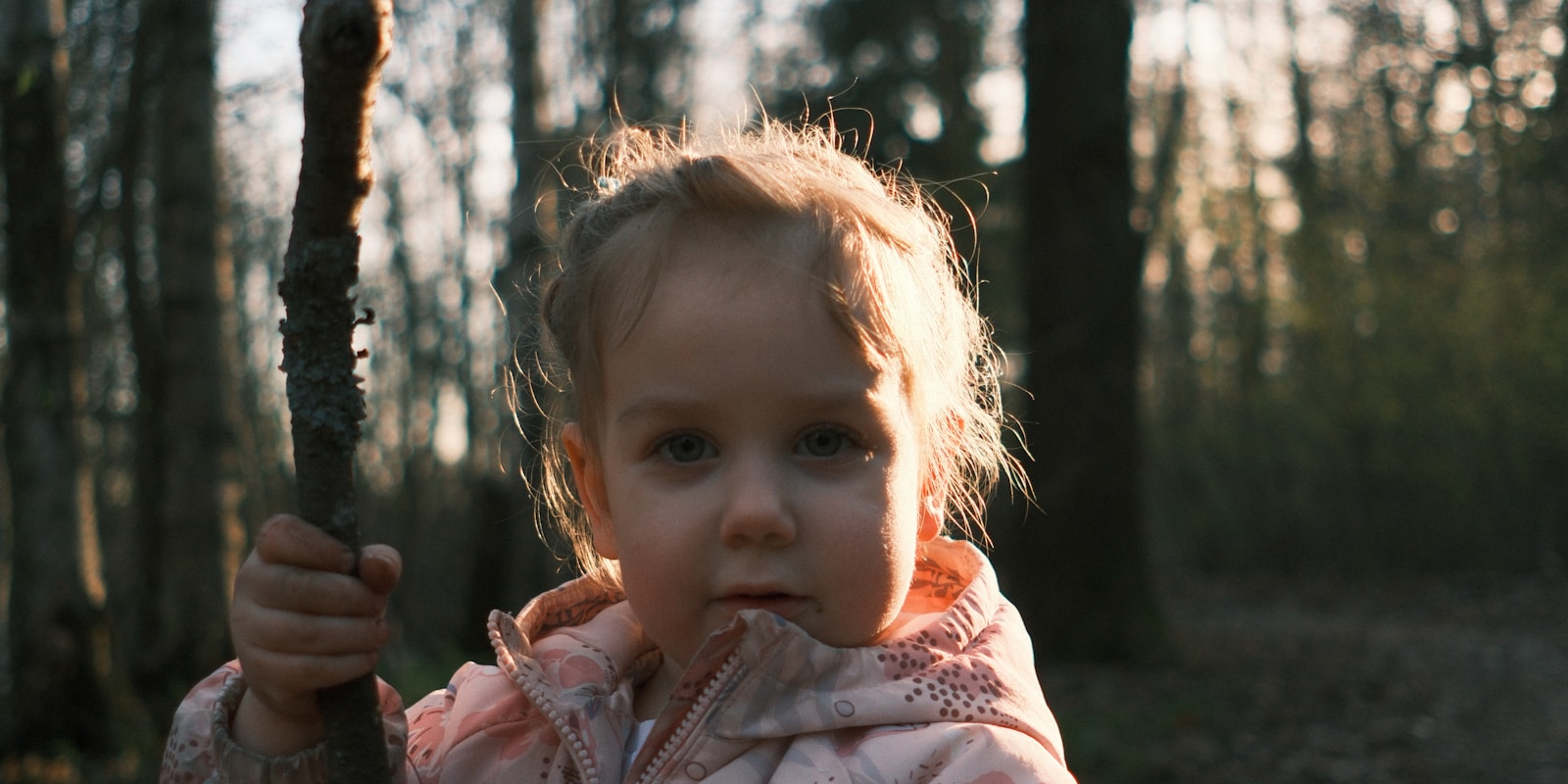
Importance of Outdoor Play in Nature-Based Childcare
Incorporating outdoor play into nature-based childcare programs is crucial for the healthy development of children. Nature-based childcare offers a unique and enriching experience that allows children to connect with the natural world, fostering a sense of wonder and curiosity. By exploring the outdoors, children can engage their senses, build physical strength, and improve their overall well-being. One of the key benefits of outdoor play in nature-based childcare is the opportunity for children to develop a deep appreciation for the environment. Spending time in nature allows children to observe the beauty of the natural world, sparking their curiosity and encouraging them to ask questions and seek answers. This hands-on experience with the outdoors helps children develop a sense of stewardship for the environment, instilling in them a lifelong respect for nature. Additionally, outdoor play in nature-based childcare supports children's physical health and development. Outdoor spaces provide ample room for children to run, jump, climb, and explore, promoting physical activity and motor skills development. Exposure to natural elements like fresh air, sunlight, and green surroundings also contributes to overall health and well-being, boosting immune systems and supporting mental wellness. Furthermore, outdoor play in nature-based childcare encourages imaginative and creative play. Nature provides an endless array of materials for children to use in their play, from sticks and stones to leaves and flowers. Engaging with natural materials fosters creativity, problem-solving skills, and imaginative thinking. Children can build forts, create art with natural materials, or invent games based on the environment around them, enhancing their cognitive and social development. In conclusion, outdoor play in nature-based childcare is essential for nurturing a child's connection to the natural world, promoting physical health and development, and fostering creativity and imagination. By immersing children in nature-rich environments, nature-based childcare programs provide a holistic approach to early childhood education, laying the foundation for a lifelong love of the outdoors and a commitment to environmental conservation
Fostering a Connection with the Environment through Nature-Based Childcare
Nature-based childcare offers a unique and enriching experience for children by fostering a deep connection with the environment from a young age. This approach goes beyond traditional indoor settings and structured activities, instead emphasizing outdoor exploration, hands-on learning, and interaction with the natural world. By immersing children in nature, nature-based childcare programs provide opportunities for them to develop a sense of wonder and appreciation for the world around them. Whether it's observing wildlife, planting seeds in a garden, or simply feeling the sun on their skin, children engage all their senses and develop a holistic understanding of the environment. Through regular outdoor play and nature-based activities, children also learn important life skills such as problem-solving, decision-making, and creativity. They learn to adapt to different environments, work collaboratively with their peers, and develop a sense of responsibility for taking care of the natural world. Moreover, nature-based childcare offers numerous health benefits for children, including increased physical activity, improved cognitive development, and reduced stress levels. Spending time outdoors has been shown to enhance concentration, boost mood, and contribute to overall well-being. In a world where children are becoming increasingly disconnected from nature, nature-based childcare serves as a valuable opportunity to instill a lifelong love for the environment. By fostering this connection early on, we can empower children to become stewards of the earth and inspire them to protect and preserve the natural world for future generations
Conclusion
In conclusion, nature-based childcare opens up a world of possibilities for children to thrive and grow in a natural environment. By immersing young minds in the wonders of nature, we provide them with the perfect setting to explore, play, and learn. Throughout this guide, we've highlighted the numerous benefits that nature-based childcare offers, from fostering creativity and curiosity to developing a profound connection with the environment. It's evident that incorporating nature into childcare settings not only enriches children's experiences but also nurtures a deep love for the natural world. By embracing outdoor play and engaging nature-based activities, we pave the way for holistic growth and discovery in our little ones. Let's continue to prioritize connecting children with nature, ensuring they have the opportunity to flourish in the great outdoors